
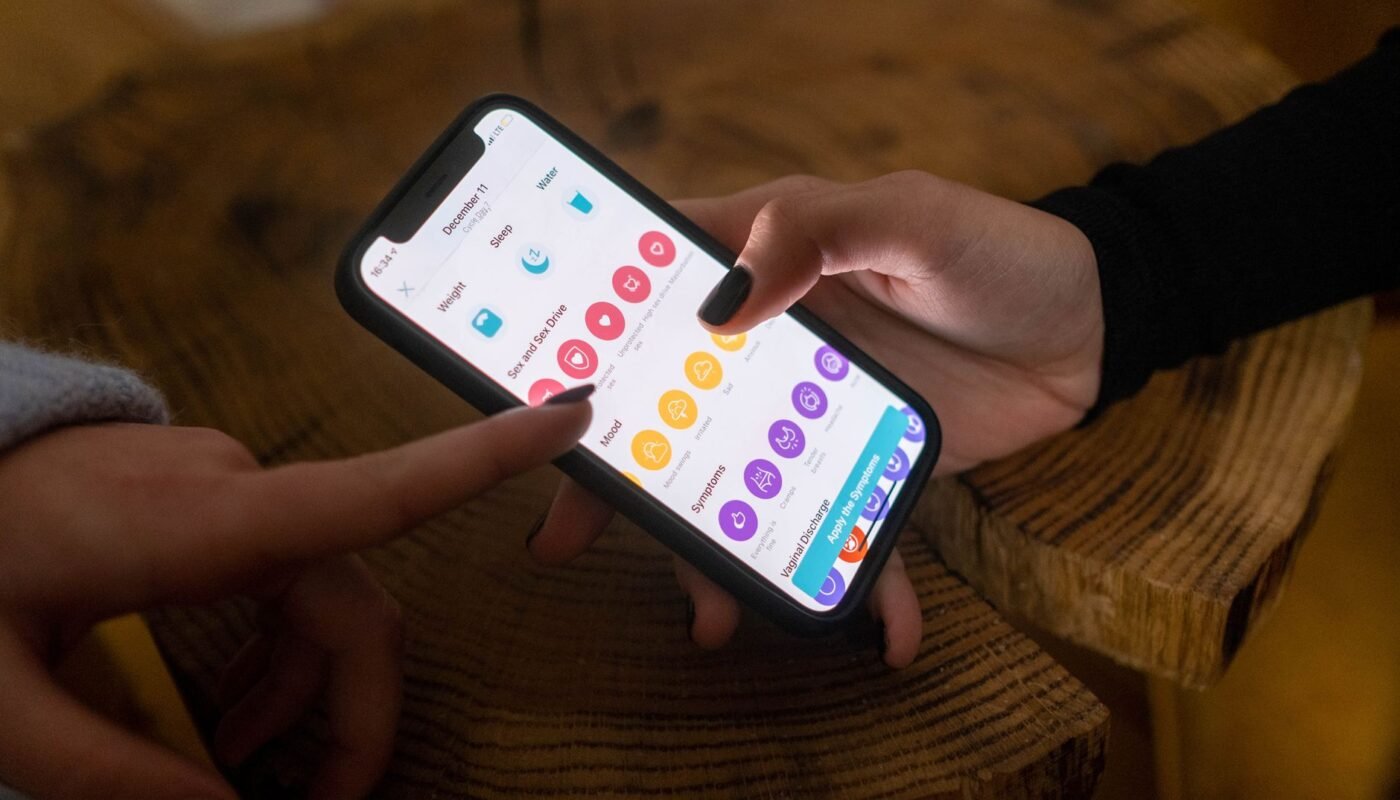
Apple announced the Apple Health AI Usage Study on November 15, a virtual research study and companion app that examines how people use conversational health AI tools. The study is run with OpenEvidence, a clinical AI platform, and is open to up to 200,000 eligible participants aged 21 and older in the United States. Apple says the study will evaluate trust, comprehension and real-world health AI engagement.
What the study measures
Apple says the study looks at what drives user trust, the quality of responses, comprehension and everyday health actions. The goal, in Apple’s words, is to inform the responsible design of health AI experiences for Apple and the industry. The study app lets participants ask everyday health questions and explore complex medical information in approachable language. Each answer carries linked, peer-reviewed clinical citations. Apple also says the study will explore how health AI can help participants better prepare for visits with their own doctors.
OpenEvidence supplies the medical AI. Apple describes it as a clinical AI platform widely used by healthcare professionals that generates answers from established sources such as The New England Journal of Medicine, Journal of the American Medical Association and Nature. Apple designed the research experience around that technology.
Data and privacy terms
Participants can choose to share HealthKit data types, such as resting heart rate, activity, sleep or lab results, to see how personal data changes the relevance and clarity of answers. Apple says participants keep control over whether to share any HealthKit metrics or survey responses.
The release states that study data will not be used to train AI models, and that Apple has security measures to protect the study data it maintains and the confidentiality of participants’ information. The study app has safety guardrails intended to detect certain concerning questions and to suggest that a participant follow up with a provider or other resources.
Apple adds a limit in plain terms: “The study app is not meant to diagnose or treat any condition, or replace the advice of medical professionals.” Participants are told to consult a doctor or clinician about health concerns.
Who can join
Enrollment requires an Apple Intelligence-enabled iPhone, which Apple specifies as an iPhone 15 Pro or later, running iOS 26 or later. The cap is 200,000 participants. The release gives no start or end date for the study, no publication plan and no list of research sites or institutional review arrangements.
What the release says about clinicians
Robert M. Wachter, M.D., UCSF professor and chair of the Department of Medicine, is quoted in the release: “Patients and clinicians are both turning to AI, but the tools they use are being built and tested in separate worlds.” He adds that when patients and doctors draw on versions of the same trustworthy tools, patients arrive prepared and conversations improve.
Sumbul Desai, M.D., Apple’s vice president of Health and Fitness, says a dedicated research study is the most thoughtful way to understand how people engage with, comprehend and evaluate health AI in everyday life.
What it means for digital health leaders
The study produces no results yet, so it changes no product or contract today. It matters to digital front door and patient experience teams for three reasons.
- The study tests the consumer side of a problem providers already face. Patients who consult AI before a visit arrive with its answers, and the quality of those answers is the question the study targets.
- It pairs consumer device data with a clinical AI vendor under a research protocol. Teams drafting their own policy on patient-shared device data, including lab results, can compare Apple’s consent and no-training terms with their own.
- The findings, when published, may give health systems outside evidence on trust and comprehension. The release does not say when or whether results will be published, so planning should not depend on them.
Health systems have no required action. A patient-experience team could reasonably ask front desks and nurse lines how often patients cite AI-generated information, so the organization has its own baseline before outside findings arrive.